Math QUIZ
Using this Block As you might guess this is a quiz where the answer is a number. Problems…

Using this Block As you might guess this is a quiz where the answer is a number. Problems…

Using this Block The quiz block is used to deliver a quiz, with fill-in-the-blank questions with a single…

This is a combination assessment and game block that is very popular with young players. It’s also 100% accessible for visually-impaired players. For each correct math question, an item is earned, which can be a rabbit, a key or anything else you can imagine. Incorrect answers get a different item – an empty snare or a lock, for example. Math questions can be multiplication, division, addition or subtraction.

This is an assessment and game block that is very popular with young players. For each correct math question, the player gets another animal or item for their animal. Math questions can be multiplication, division, addition or subtraction. Division problems will all have a whole number quotient, with no remainder. Division can also include converting fractions to a whole number, as shown in the example below.

This block, in the drag_and_drop folder, has two areas. The top area consists of two images. The bottom area shows four items, which may be images or text. The object is to drag and drop all of the items to the correct area before time runs out.
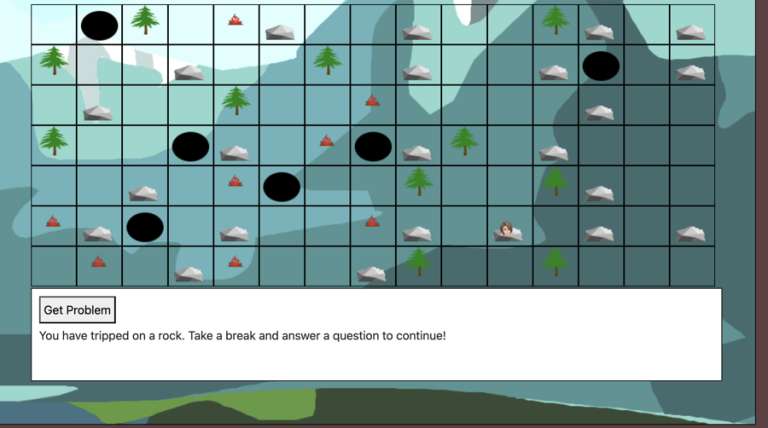
Using this Block This is a combination game and assessment block. You might also consider it practice or…
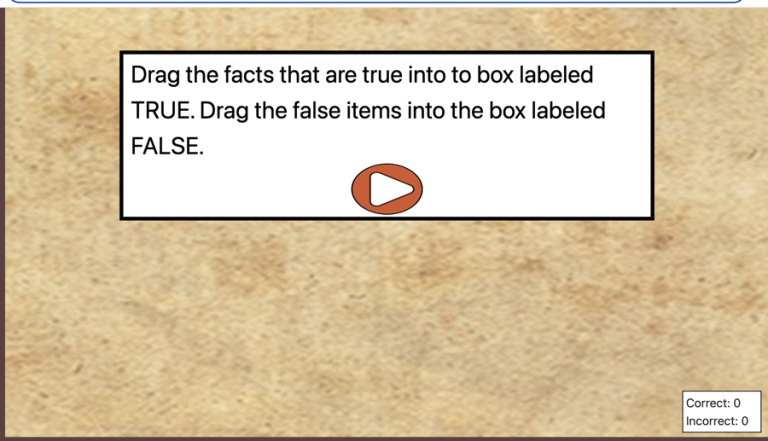
Using this Block As you might guess, this block has two categories labeled “true” or “false” and the…
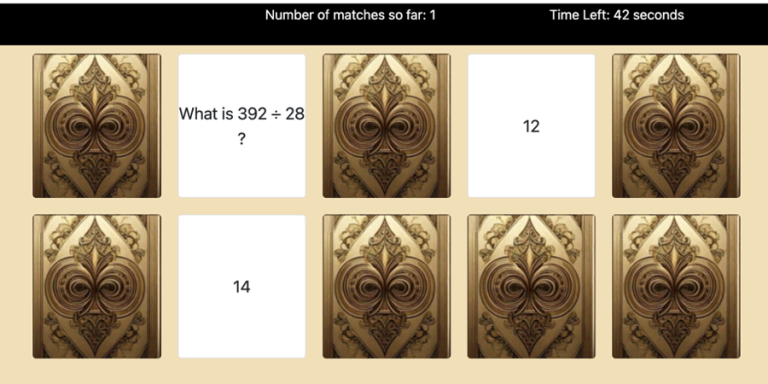
Using this block A version of the memory card game with 10 cards. Players find all of the…
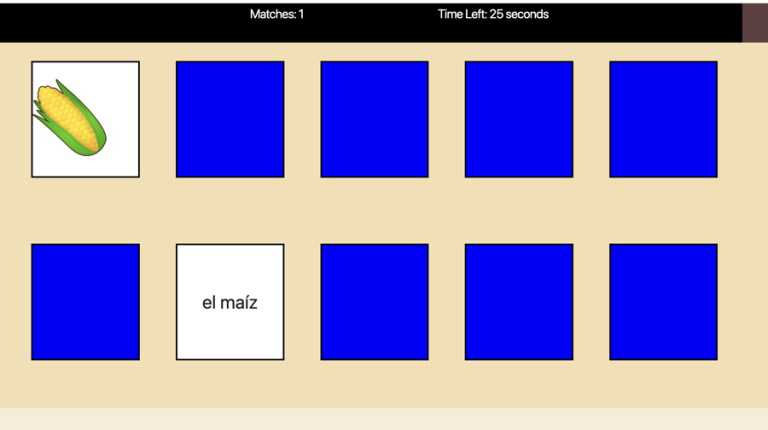
A version of the memory card game with 12 cards. One card is an image and the match is text. Players find all of the matches within the time limit.
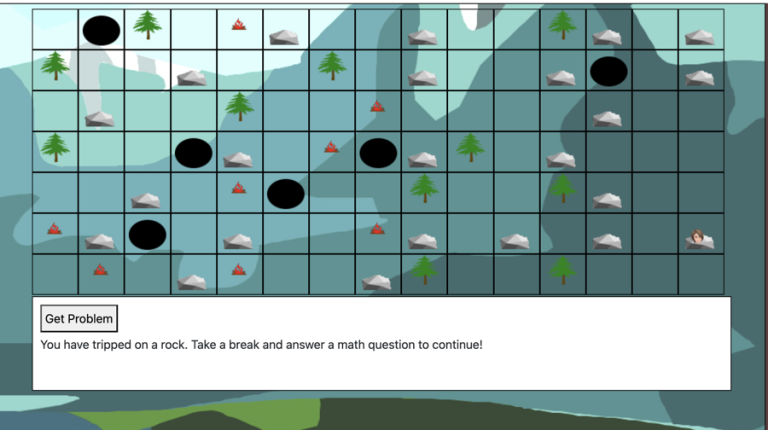
This is a combination game and assessment block. You might also consider it practice or instruction. All the things! The player rolls a die to advance through the game. Caves send the player back, trees can be climbed to the next row. If a player lands on one type of square, they must answer a problem to advance. A second type of square asks a harder problem but the player advances twice as far.